


In 2026, a logo can cost anything from nothing with an online logo maker to more than €10,000 from a branding agency. Freelance designers typically charge €200–€1,500 and design studios €1,000–€4,000, while agencies usually start at around €2,500. The price depends on who designs it, how much research and concept work goes in, how many revision rounds are agreed and which files and rights you receive.
The real question is what you are buying: a single mark, or a visual identity that has to work on a website, a sign and a business card. This guide helps you judge a quotation on its scope rather than its headline figure.
In short: In 2026, logo design costs from under €100 with an automated logo maker to several thousand euros for a professionally developed design. Freelance logo designers typically charge €200–€1,500, while branding agencies charge €2,500–€10,000 or more, depending on the research, creative process and deliverables included. A complete brand identity generally costs more than a standalone logo.
How much does logo design cost in 2026?
The cost of a logo design varies first with the type of provider. The table below gives indicative ranges for 2026.
| Provider | What you typically get | Indicative price |
|---|---|---|
| Online logo maker | An automated or template-based mark, a few file formats, limited or no exclusivity | Free–€100 |
| Freelance logo designer | Custom concepts, with research and creative depth that vary widely from one designer to another | €200–€1,500 |
| Design studio | A structured creative process, several concepts, defined revision rounds and professional file sets | €1,000–€4,000 |
| Branding agency | Discovery and market research, creative direction, the logo and often a wider identity system and guidelines | €2,500–€10,000+ |
These are editorial estimates, not market averages, and they overlap because services vary: an experienced freelancer can deliver more than a junior studio, and a low agency quotation may cover the logo alone while a high one includes typography, colour and guidelines.
What is the average cost of professional logo design?
There is no reliable single figure. A logo bought for €150 on a marketplace and one developed through a strategic branding process are different products, so averaging them describes neither.
For a small business commissioning a custom logo from a professional designer or studio, €1,000–€4,000 is a realistic planning range.
What factors influence the cost of logo design?
Five variables explain most price differences.
Research and brand discovery
Before drawing anything, a designer needs to understand your business, competitors, audience and positioning. Some projects rely on a short questionnaire; others include interviews, workshops and a competitor review. This is often where cheap and expensive quotations diverge most, because it never shows in the final file.
Creative concept development
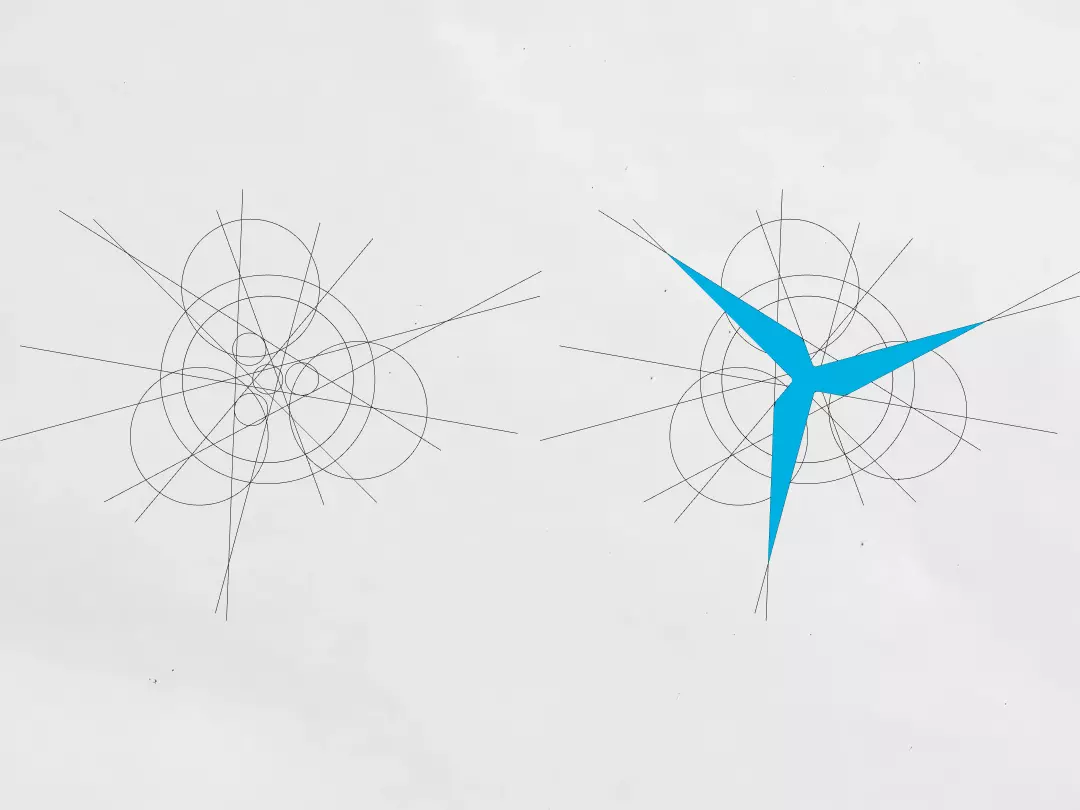
This is the work of exploring several directions, choosing one and refining it until it holds up at every size. The number of concepts presented is not a measure of quality: three considered routes are worth more than ten quick variations. What matters is whether each concept answers the brief.
Designer or agency experience
Fees rise with experience, specialisation and the complexity of the brief. An experienced designer is quicker to spot the idea that will last, and better at defending it when feedback pulls in different directions.
Revisions and feedback rounds
A quotation should state how many revision rounds are included and how extra changes are charged. "Unlimited revisions" sounds generous, but it usually signals a process with little upfront thinking, where the design is found by trial and error. Two or three defined rounds, with clear feedback on each, are normally enough.
Final deliverables and usage requirements
The files you receive shape the price as much as the design itself. A professional set includes vector files, print and digital formats, colour and monochrome versions and, where needed, responsive variations such as a compact symbol for social media avatars and favicons. Usage guidelines, ownership of the final artwork and licences for any typeface used should be agreed in the contract, not assumed.
How much does a branding agency charge for logo design?

The agency logo design cost in 2026 typically starts at around €2,500 and can exceed €10,000, because an agency rarely treats the logo as a standalone file. Depending on the agreed scope, its work may include:
- brand discovery
- competitor and market research
- creative direction
- logo concept development
- visual identity exploration
- typography and colour systems
- brand applications
- usage guidelines
The exact deliverables depend on the scope you agree, so compare proposals line by line. At Morpheon, our brand identity design work treats the logo as one part of a system of colours, fonts, symbols and words designed to work across every format. That is also why we are not the right partner for a low-cost standalone logo: our brand and digital ecosystem projects typically start from €20,000, as set out on our offers page.
Logo design vs brand identity: What’s the cost difference?
The difference in cost follows the difference in scope:
- Logo design creates a recognisable mark or wordmark that represents the business.
- Visual identity builds a coordinated system around it: typography, colours, imagery, graphic elements and their application across touchpoints.
- Branding goes further, with positioning, brand strategy and messaging, which is where the broader branding cost in 2026 sits.
A logo alone can be enough for a sole trader, a side project or an early test of an idea. A business that meets its customers on a website, social media, presentations, packaging and printed materials usually needs the system, because without one each new piece is designed from scratch and consistency depends on whoever made it. The identity has to hold up on screen as well as in print, so plan the two together if you are also budgeting for a new WordPress website.
For Casa Roca, a ten-suite boutique apart-hotel in Palma de Mallorca, the logo was one element of a wider system covering typography, colour, graphic language and guidelines, applied to the website, menus, stationery, textiles and staff uniforms. The Casa Roca case study shows that identity at work from Instagram to the guest room.

If your logo already exists and the question is whether to replace it, the budget logic changes. Our guides to rebranding costs and to choosing between a brand refresh or a full rebrand cover that decision.
What should be included in a professional logo design package?
Use this checklist to compare logo design packages and quotations:
- discovery session or creative briefing
- logo concepts and a structured presentation
- an agreed number of revision rounds
- the final primary logo
- alternative versions where needed (horizontal, stacked, symbol only)
- colour, monochrome and reversed versions
- vector files (SVG, EPS or AI, as appropriate)
- digital formats (PNG, JPG)
- basic logo usage guidelines: clear space, minimum sizes, what not to do
- clear licensing or intellectual property terms
Not every package includes all of these. Check whether brand guidelines, typography and the wider visual identity are included or quoted separately, because that single line often explains a large gap between two prices.

Is professional logo design worth the investment?
Professional design pays off when the logo will be used widely and for a long time. A well-built mark stays legible from a favicon to a building sign, distinguishes you from competitors who share the same visual clichés and reduces the need for a costly redesign a few years later.
No logo, however good, guarantees more sales or conversions. What it can do is make the business easier to recognise and remember, provided the identity is applied consistently.
Our projects show the range. For Sherpa, a newly founded French consulting firm, we created the brand identity from scratch (logo, colour palette and typography) together with the website and marketing materials. For Spares in Motion, a wind energy spare-parts supplier with a decade of recognition behind it, we modernised the existing logo by simplifying the original turbine symbol, within a new visual system and brand book. For HUBLIBOX, a single line became the basis for both the logo and the wider corporate identity.
How can you reduce logo design costs without compromising quality?
The best savings come from preparation, not from cutting the creative work.
Prepare a clear creative brief
Set out your objectives, audience, competitors and any visual preferences or constraints before the project starts. A designer who understands the brief from day one presents better first concepts and needs fewer revisions.
Define the deliverables you actually need
List where the logo will appear in the next two or three years. A mark for a website and social media may not need packaging guidelines or a full brand book yet. Separate essential logo files from broader branding services, and ask for each to be quoted separately.
Consolidate feedback
Agree who decides, and gather all comments into one response per round. Contradictory comments from several people are a common reason projects overrun their agreed revisions.
Consider long-term brand requirements
The cheapest logo can become the most expensive if it fails at small sizes, has no single-colour version or uses a typeface you are not licensed to use. Fixing that later means new files, reprinted materials and updates on every channel. Not every business needs a complete identity system, but every logo should be built to work in the formats you know you will use.
How do you choose the right logo design agency?
Before choosing a provider, evaluate:
- a relevant portfolio and the quality of the design work
- their understanding of your business and audience
- a clear creative process
- originality and concept development
- the deliverables included
- the revision policy
- ownership and usage rights
- pricing transparency
- experience with broader brand identity projects
Look at complete branding case studies rather than isolated logo images. A logo on a plain background shows taste; a case study shows how the designer thinks and how the mark behaves across real applications. If you expect the project to grow beyond the logo, ask to see how a provider's professional branding services handle strategy, identity and guidelines together.
Frequently asked questions
How much does a professional logo cost in 2026?
Indicatively, a freelance logo designer charges €200–€1,500, a design studio €1,000–€4,000 and a branding agency €2,500–€10,000 or more. Logo makers cost up to around €100. The spread reflects differences in research, concept development, revisions, deliverables and rights, so compare the scope of each quotation rather than the price alone.
Why do branding agencies charge more for logo design?
Agencies usually include work that cheaper options leave out: brand discovery, competitor and market research, creative direction and the development of a logo that fits a wider identity system. Complete file sets and usage guidelines also add to the price. You are paying for the thinking behind the mark as much as for the mark itself.
Can I get a professional logo for €500?
Yes, in some cases. €500 can buy a custom logo from a capable freelance designer, usually with limited research, a small number of concepts and one or two revision rounds. Before you commit, check which file formats you receive, whether a monochrome version is included and that the contract transfers ownership or grants the usage rights you need.
How long does it take to design a logo?
It depends on discovery, concept development and how quickly feedback is given. A freelance logo with a short brief can take one to three weeks. A logo developed within a visual identity project, with research, concept presentations and guidelines, usually takes several weeks to a few months.
What’s the difference between logo design and branding?
A logo is the mark that identifies your business. A brand identity is the wider visual system around it: typography, colours, imagery and graphic elements. Branding also covers strategy, positioning and messaging, which define what the business stands for before anything is designed.
Do I own the logo after paying for it?
Not automatically. Ownership and usage rights depend on the contract and the law that applies to it. Ask for a written clause that transfers the rights to the final logo, or grants an exclusive licence, and check whether the typeface is licensed separately. Template-based logos may not be exclusive at all, which can make them harder to protect as a trademark.
Looking for more than just a logo?
A strong visual identity helps your business communicate consistently across every touchpoint. At Morpheon, we develop distinctive brand identities combining creative direction, thoughtful design and practical applications.
