


A brand refresh updates how your business looks and presents itself while keeping its core identity; a complete rebrand can change its positioning, messaging and visual identity at once. If you are asking "do we need a brand refresh or rebrand?", the answer depends on whether your problems are visual or strategic.
Not every outdated brand needs to be rebuilt: if your positioning still works and customers recognise you, replacing both wastes value. The decision should start with an honest evaluation of the brand you already have, not with a new logo.
In short: A brand refresh is usually the right choice when your business positioning remains relevant but your visual identity needs modernising. A complete rebrand may be necessary when your company has changed direction, targets a different audience or needs to redefine its market position. The best approach depends on whether the problems are primarily visual or strategic.
What’s the difference between a brand refresh and a rebrand?
Rebranding vs brand refresh is a question of depth. A refresh changes how the brand is expressed; a rebrand can change what it stands for and who it is for.
What is a brand refresh?
A brand refresh modernises selected elements while preserving the brand’s foundations: its name, its positioning and the recognisable core of its logo. Typical work includes:
- updating typography and colours
- refining the existing logo
- improving visual consistency
- modernising brand guidelines
- updating digital brand applications
The objective is evolution, not reinvention. Customers should notice that the brand looks sharper, not that it has become someone else.
What is a complete rebrand?
A complete rebrand makes more substantial changes to the brand’s identity, positioning or market perception. It can involve:
- changing brand positioning
- redefining the target audience
- developing a new visual identity
- changing messaging and tone of voice
- revisiting brand architecture
- renaming the company, where necessary
A rebrand does not necessarily require a new name.
| Brand refresh | Complete rebrand | |
|---|---|---|
| Objective | Modernise an identity that still works | Redefine what the brand stands for |
| Scope | Limited audit, visual updates, guidelines | Research, positioning, messaging, new identity |
| What is kept | Name, positioning, recognisable elements | Whatever still carries value, often the name |
| Implementation | Phased updates to priority touchpoints | Coordinated launch across every touchpoint |
| Risk to recognition | Low | Higher, needs a managed transition |
5 signs your business needs a brand refresh
1. Your visual identity looks outdated
The business is still relevant, but its design no longer matches the quality of what you deliver.
2. Your branding is inconsistent
The website, sales decks and social media each use a slightly different logo, colour or tone. This usually means guidelines are missing or were never written for the channels teams actually use.
3. Your logo doesn’t work across modern applications
Logos designed for print often fail as an app icon, social avatar or favicon. A refresh can add simplified variants without changing what people recognise; our guide to professional logo design costs explains what refining or replacing a mark involves.
4. Your business has evolved, but your positioning remains relevant
You have added services or matured, but you still serve the same audience with the same promise. The identity needs to stretch, not to say something different.
5. Your brand is recognisable but needs modernisation
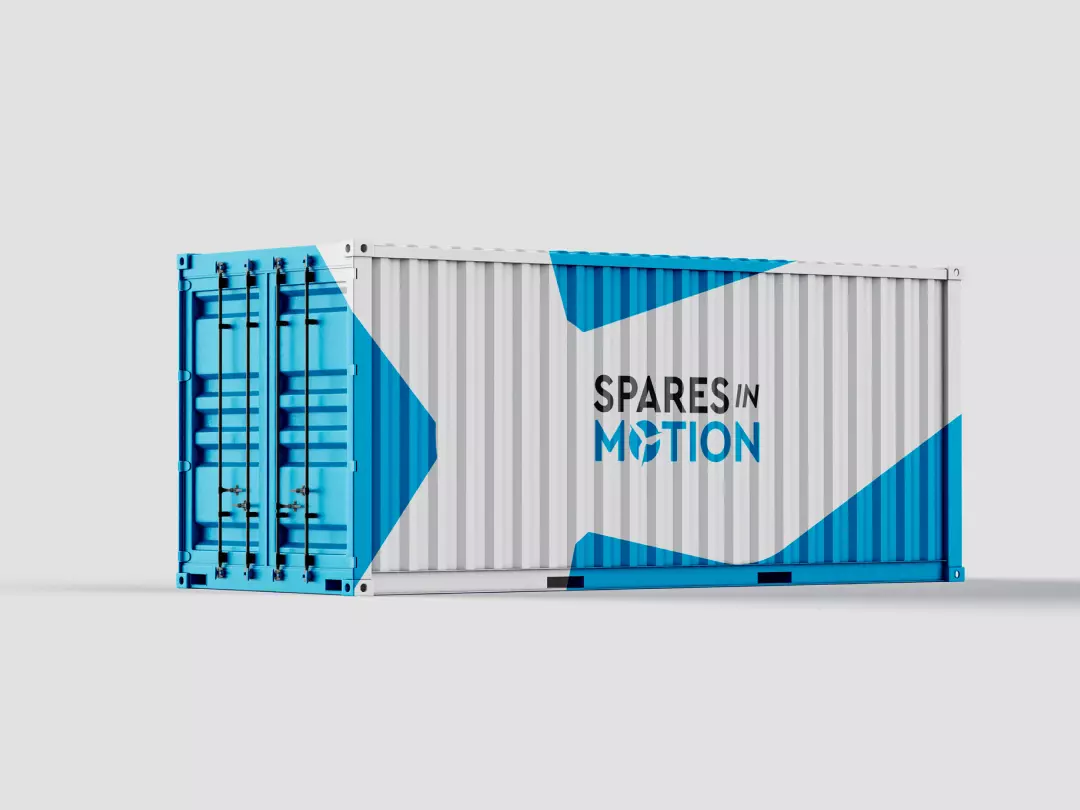
Recognition takes years to build, and a refresh exists to protect it. Spares in Motion, a global wind energy spare-parts supplier, asked us to modernise its brand while keeping the trust built over a decade in the sector. We modernised the existing logo, aligned the messaging with new services and delivered a brand book and business assets: see the Spares in Motion brand refresh.
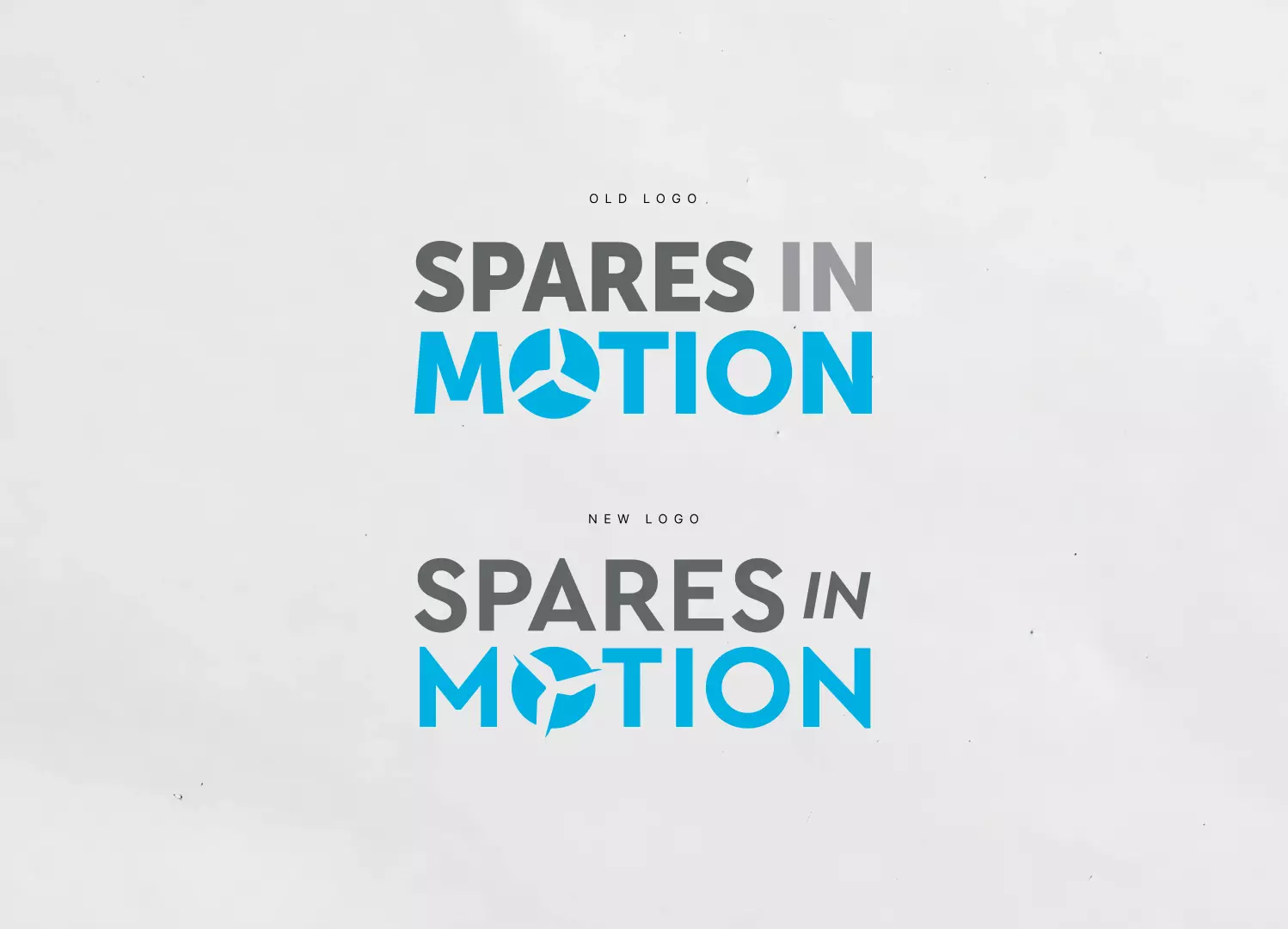
If the underlying positioning still works, a refresh can deliver the improvements you need without replacing the entire identity.
5 signs it’s time for a complete rebrand
1. Your positioning no longer reflects your business
The company has changed direction, but its brand still describes the previous offer. A consultancy that now sells software will keep attracting the wrong conversations until the brand catches up.
2. You’re targeting a fundamentally different audience
Moving from consumers to enterprise buyers, or from a local to an international market, changes what people need to see before they trust you.
3. Your brand struggles to differentiate itself
If prospects cannot explain how you differ from your closest competitors, new colours will not help. The work starts with positioning.
4. Your business has undergone a major transformation
Mergers, acquisitions, significant expansion or a new business model often leave a company with several identities, or one that fits only part of the organisation.
5. Your current brand has significant reputation or perception challenges
A rebrand can support real change, but it cannot resolve operational or reputational problems on its own.
The deeper the change, the larger the project, as our guide to how much does rebranding cost? explains.
Brand refresh vs full rebrand: How do you decide?
Brand refresh vs full rebrand is rarely a matter of taste. Answered honestly by the leadership team, five questions usually point to the right scope:
- Does our current positioning still reflect the business? If yes, a refresh may be sufficient. If not, strategic rebranding may be necessary.
- Are we still targeting the same audience? A significant audience change justifies revisiting positioning and messaging.
- Do customers recognise and trust our existing brand? Strong recognition is an argument for preserving the elements that carry it.
- Are the problems mainly visual or strategic? Visual inconsistency suggests a refresh; unclear positioning suggests a deeper strategic review.
- What business outcomes do we want to achieve? Define measurable objectives, such as more qualified enquiries or entry into a new market, before deciding on the scope.
The distinction is not always binary. Some businesses need a substantial visual identity overhaul while keeping their positioning. Set the scope where your problems actually are.
How often should a business refresh or rebrand?
How often should a business rebrand or refresh its brand? There is no universal schedule, and the advice to rebrand every few years has no evidence behind it. Review your brand when:
- its positioning changes
- customer expectations evolve
- its visual identity becomes inconsistent
- it enters new markets
- it no longer supports commercial objectives
Regular maintenance is different from major transformation: brands managed consistently can stay effective for many years.
How much does a brand refresh cost compared with a rebrand?
A refresh generally costs less, because it involves fewer strategic and creative deliverables:
- Brand refresh: limited discovery, visual identity updates, logo refinements, updated guidelines and selected brand applications.
- Complete rebrand: research, strategic positioning, messaging, a new visual identity, brand architecture where required and extensive implementation.
Implementation can significantly affect both budgets: signage, packaging and sales materials add up, and a new website has its own budget, covered in our guide to website redesign costs. For typical ranges, see our breakdown of rebranding costs. At Morpheon, brand and digital ecosystem projects typically start from €20,000.
How can a branding agency help with a brand refresh or rebrand?
How agencies help with brand refresh and rebranding comes down to one responsibility: recommending the scope the business needs, not the largest project available. A sound process covers:
- Brand audit: evaluating the existing identity, positioning, consistency and market perception.
- Research and strategy: understanding customers, competitors and business objectives.
- Creative direction: deciding what to retain, refine or replace.
- Visual identity development: an identity system that supports the chosen strategy.
- Implementation: applying the brand consistently across relevant touchpoints.
Branding, UX/UI and development teams working together keep a new identity from sitting on a site that still feels like the old company.
For Dr. Alexander Cuno, a facial plastic surgeon in Geneva, we refreshed the identity with a minimalist "AC" monogram, a restrained palette and modern typography, planned together with the UX/UI redesign and multilingual WordPress build. The Dr. Cuno brand refresh and website revamp shows both developed as one project.
Our article on when to redesign your website helps you judge whether your current site can be adapted or needs a full website redesign. Our branding and rebranding services start with a brand audit, so the recommendation follows the evidence.
What should you do before starting a brand refresh or rebrand?
Prepare these points before you brief anyone:
- Identify the problems with the existing brand.
- Review customer feedback and brand perception.
- Evaluate the current positioning and competitors.
- Identify valuable brand assets worth retaining.
- Define business objectives and success indicators.
- Establish a realistic budget and timeline.
- List the digital and physical touchpoints requiring updates.
The last point is easily underestimated. For Casa Roca, a new boutique apart-hotel in Palma, the identity we created had to work from the website to menus, textiles and staff uniforms.
A structured brand audit prevents unnecessary work and shows what level of investment the problem actually justifies.
Frequently asked questions
Is a brand refresh the same as rebranding?
No. A brand refresh updates an existing identity, typically its typography, colours, logo details and guidelines, while keeping its positioning and recognition. Rebranding can involve fundamental changes to positioning, messaging, audience and visual identity. A refresh evolves the brand; a rebrand redefines it.
Can you refresh a brand without changing its logo?
Yes. Typography, colour, imagery, messaging and brand applications can all be updated while the existing logo stays as it is. When the logo carries strong recognition, keeping it and modernising the system around it is often the wisest and most cost-effective choice.
Is a brand refresh cheaper than a complete rebrand?
Generally, yes, because the scope is narrower: less research, no repositioning and fewer new assets. The final cost still depends on the deliverables and on implementation, since updating a website, signage or packaging can be a significant share of either budget.
How long does a brand refresh take compared with a rebrand?
A refresh is usually shorter, because it builds on an existing strategy. A rebrand adds research, positioning and broader creative development. In both cases, timelines depend on project scope, research requirements, stakeholder involvement in approvals and the number of touchpoints to update.
Can a company rebrand without changing its name?
Yes. A rebrand can substantially change positioning, messaging and visual identity while keeping the company name. This is common when the name still carries recognition, trust or legal value. Renaming is only one possible part of a rebrand, and it needs a genuine business reason.
Not sure whether your brand needs a refresh or a complete rebrand?
At Morpheon, we help businesses evaluate their existing brand, identify opportunities for improvement and develop visual identities that reflect their positioning and ambitions.
